The FTUE: Your Game's One Shot at a First Impression

Why the FTUE Decides Everything
The First Time User Experience (or FTUE) is, undoubtedly, one of the most important components of a successful game these days. With the amount of available games in the market and attention spans getting smaller and smaller, games have a short time window to hook users and convince them that this is what they should be playing above all other games. Once you have designed the core of your game and are ready to introduce it to your players, it is critical that you invest significant time and effort planning and polishing the FTUE. Your objective is that the user spends enough time in the game and gets engaged enough to want to come back the next day. This is your game's first impression, and you have one chance to nail it.
Make It Clear, Make It Fun: What Players Need to Understand First
The first thing the user needs to understand once they download the game is what the game is about. What is expected of the user to succeed in the game? What is the story of the game? Most importantly, this first impression needs to be easy and FUN.
Know Your Genre: Familiar Mechanics vs. New Territory
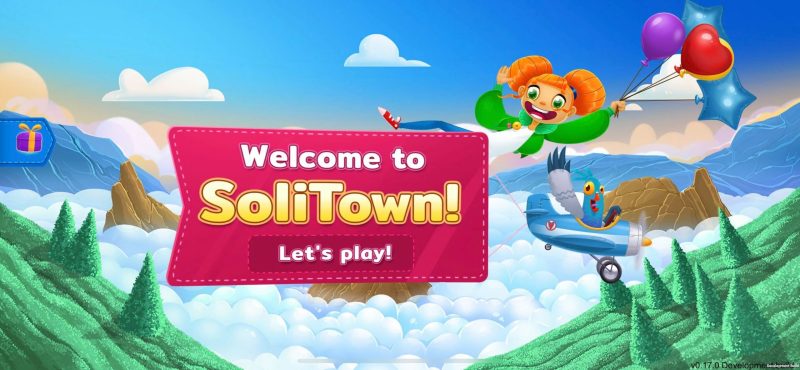
Depending on the genre, users usually download the game already knowing what it is about, either coming from an (honest) ad or an app store page that clearly showcases the game. Users of more known genres (puzzle, social casino, runners, etc.) usually want to just get into the game and start playing, as they're already familiar with the mechanics. You need to make sure it's as easy as possible to get right to it, while guiding users through the unique features you want to accentuate. If your game is in a less familiar genre, or you're trying to invent a new one, you are going to have to design a walkthrough tutorial that explains what the user needs to do as clearly as possible.
Teach by Doing: Repetition Builds Habit
One of the best ways to explain something to your users is to make them repeat the action two or three times during a tutorial. For example, if you have a match-3 game, hide the entire screen around the puzzle pieces and show the user the movement of matching pieces on the board. Do it a couple of times to make sure the mechanic gets ingrained into the flow of the user, eventually becoming a habit and something they do intuitively.
Quick, Simple, Complete: Designing the Tutorial
The tutorial needs to be quick and simple, but comprehensive. Missing key components might make users miss the key differentiators of the game and the reasons to come back. When planning a tutorial, always ask yourself: "What features must the player experience the first time they play the game?" With that said, make sure you don't hinder the progress of the user with frequent stops that will frustrate them and make them leave.
Goals and Early Wins: Getting the Game Economy Right
Another key thing to take into consideration while building the FTUE is giving users a goal and making them feel a sense of achievement. It doesn't necessarily mean making the game easy, but you have to make the user feel successful, especially early on. Game economy is critical in this phase. On one hand, you don't want to inflate balances, which will cause users to never have to purchase within the game. On the other hand, you don't want to empty the users' resources before they get engaged with them. The balance here is very important, so the following point will help you polish your FTUE.
Measure Every Step: Finding the Churn Points
It is incredibly important to measure every step of the tutorial. You will need the data to understand churn points inside the tutorial that will help you tweak the flow, rinse, and repeat. More than any other part of the game, the FTUE needs to be deeply measured and analyzed. You want to know absolutely everything you can about users' behavior throughout the FTUE. Remember that cutting your churn by half can double your predicted cohort LTV.
Conclusion: The FTUE Is Never Finished
One final point: the FTUE is never done. You always need to be optimizing and improving it. It could be the difference between a failed game and a successful one. Be assured that if your users enjoy their first experience, they will want to come back for more.