Enhancing Game Developer Productivity


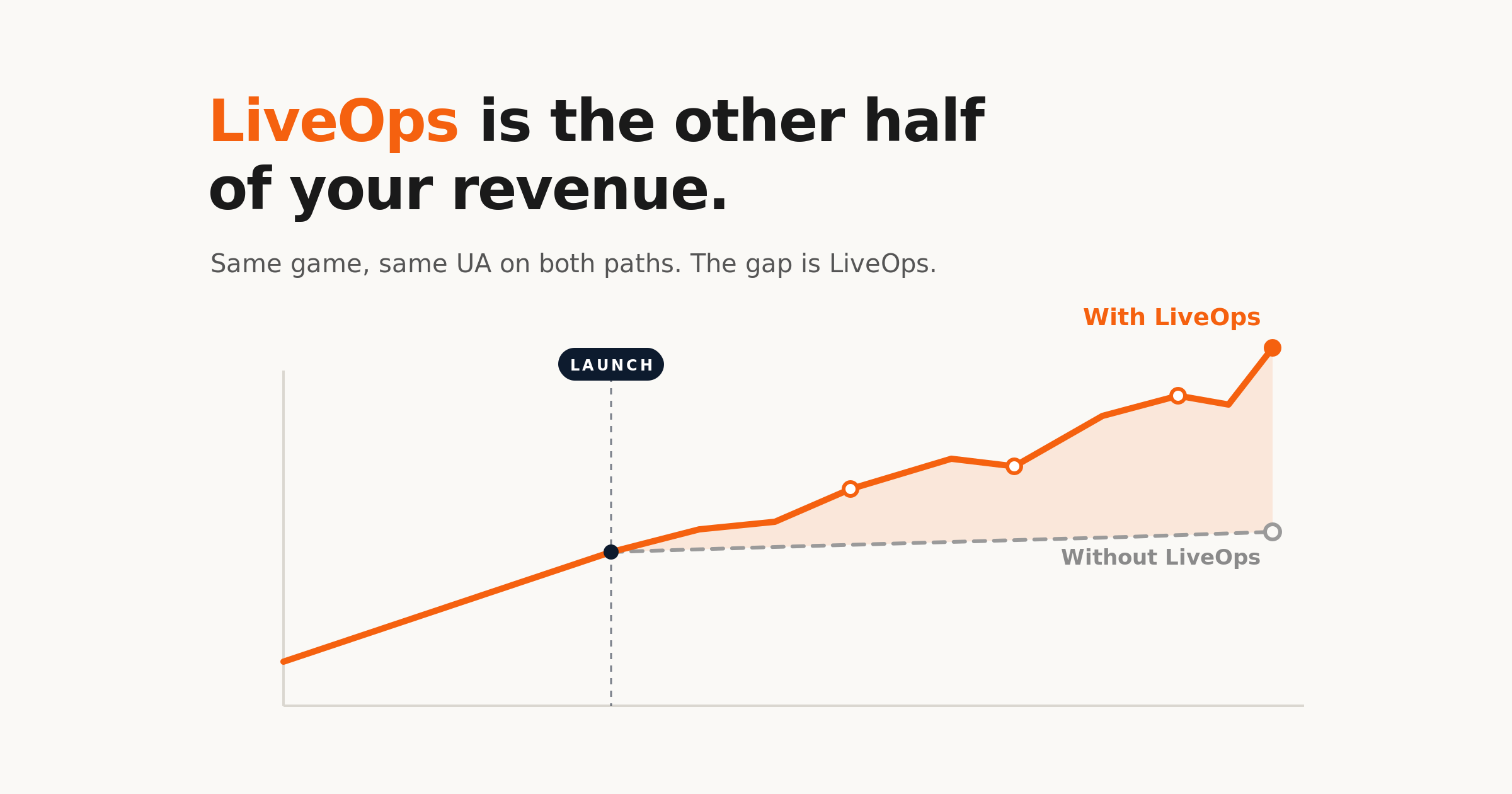
Game developers face a myriad of challenges in creating and managing successful gaming experiences. To alleviate these challenges, LiveOps (Live Operations) platforms have emerged as essential tools, offering a range of features that make game developers' lives easier. In this article, we will explore how LiveOps platforms streamline game development by addressing key areas such as agile content deployment, player state management, resource management, segments, economy feature settings and configuration, A/B testing, in-app messages, push notifications, flows/journey, calendar integration.
Agile Content Deployment
One of the key advantages of LiveOps platforms is their ability to facilitate agile content deployment. Game developers/operators can easily push updates, patches, and new content to players without the need for extensive client-side updates or disrupting gameplay. This allows developers to react swiftly to player feedback, introduce new features, events, or promotions, and deliver fresh and engaging content regularly.
Furthermore, once the integration phase is complete, any operator without coding skills can easily manage this operation and the developers can focus on the core game.
Player State Management
LiveOps platforms provide game developers with efficient player state management capabilities. This feature allows developers to save and retrieve player progress, achievements, and preferences across multiple devices or platforms. By centralizing and synchronizing player data, developers can provide a seamless and personalized experience to players, regardless of the device they are using.
Resource Management
Managing in-game resources effectively is crucial for game developers. LiveOps platforms offer resource management tools that allow developers to monitor and control the distribution, availability, and usage of resources within the game. This ensures a balanced and fair gameplay experience, prevents resource exploitation, and enables developers to fine-tune the economy of their games.
Segments
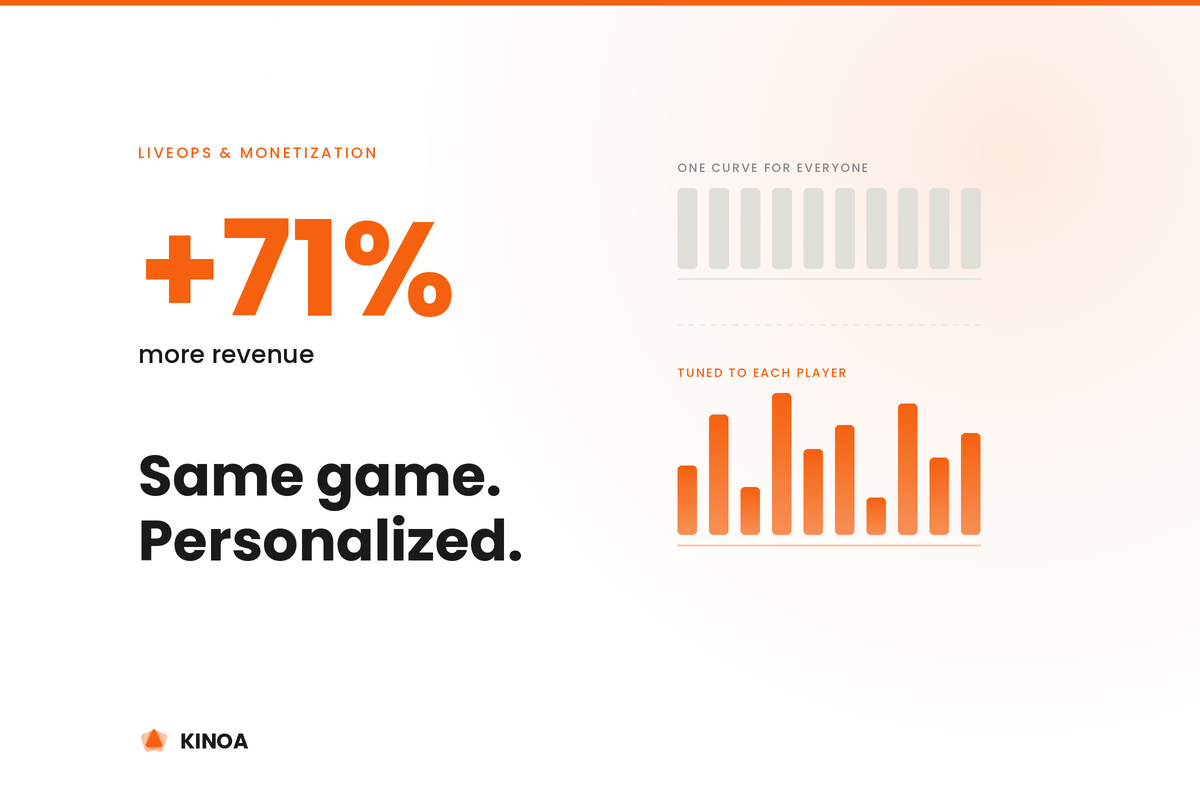
LiveOps platforms enable game developers to segment their player base based on various criteria such as demographics, behavior, spending habits, or progress in real time. Segmentation allows developers to better understand their players and tailor experiences accordingly. By analyzing segment-specific data, developers can make informed decisions about gameplay mechanics, monetization strategies, and content updates.
Economy Feature Settings and Configuration
LiveOps platforms provide game developers with the flexibility to configure and fine-tune the economy features of their games. This includes pricing, virtual currency systems, in-game purchases, and reward structures. Developers can easily adjust these settings in real-time, experiment with different monetization models, and optimize revenue generation.
A/B Testing
A crucial aspect of game development is testing and refining different features, mechanics, or monetization strategies. LiveOps platforms facilitate A/B testing by allowing developers to create and run experiments on specific player segments. Developers can measure the impact of changes, compare performance, and gather valuable insights to make data-driven decisions.
In-App Messages
LiveOps platforms offer in-app messaging capabilities that enable direct communication with players. Developers can send important announcements, updates, or personalized messages to specific player segments or individuals. In-app messaging simplifies player engagement and allows developers to provide relevant information or incentives in real-time.
Push Notifications
Push notifications are powerful tools for engaging players outside of the game. LiveOps platforms enable developers to send push notifications to players' devices, keeping them informed about new content, events, or promotions. Developers can target specific player segments or send personalized notifications based on player behavior or preferences.
Flows / Journey
LiveOps platforms facilitate the design and management of player flows or journeys within the game. Flows/Journeys serve as the cohesive framework that unifies all LiveOps features, eliminating the need to dedicate extensive development time to create superfluous features such as daily bonuses, special events, promotions, or new challenges. This empowers operators — those without coding experience — to efficiently configure and implement these components in a matter of hours rather than weeks.
Calendar
Calendar integration within LiveOps platforms allows game developers/operators to schedule and manage in-game events, promotions, or content releases. Developers can plan and coordinate activities with precision, ensuring a steady stream of fresh content and engaging experiences for players. Calendar integration simplifies event management, reduces manual effort, and improves the overall organization and planning of game updates and events.
Conclusion
LiveOps platforms bring a multitude of benefits to game developers, simplifying various aspects of game development and management. From player state management and resource management to segments, economy feature settings, A/B testing, in-app messages, push notifications, flows/journey and calendar integration, these platforms provide powerful tools that streamline workflows, enhance player engagement, and optimize monetization strategies. By leveraging LiveOps platforms, game developers can focus on creating exceptional gaming experiences while efficiently managing player relationships and maximizing the success of their games.